
Hot Water Systems That Run Reliably
Water Heater Maintenance & Repairs in La Marque for sediment buildup and failing components in older units
When hot water runs out faster than it used to, or the tank makes popping and rumbling sounds during heating cycles, sediment has likely accumulated at the bottom of the unit and is insulating the heating element from the water. Many single-family homes in Dickinson and Friendswood built between the 1970s and 2000s still operate their original or early-replacement water heaters, where sediment buildup and failing pressure relief valves are the usual problems that reduce efficiency and shorten the unit's remaining life. Chavez Home Services handles water heater maintenance and repairs throughout La Marque, with the owner performing the work personally, quoting labor separately, and passing parts through at cost so you see exactly what the repair involves.
Maintenance and repair start with inspecting the unit, checking the pressure relief valve for proper operation, and examining the connections for corrosion or leaks. If sediment is accumulating, the tank is drained from the bottom valve until the water runs clear, which restores heating efficiency and reduces strain on the element. Repairs address the specific failed component, such as a pressure relief valve, heating element, or thermostat, and parts cost is shown before installation begins.
Schedule a water heater inspection to identify sediment levels, test valve operation, and review any component failures before maintenance or repair work is scheduled.
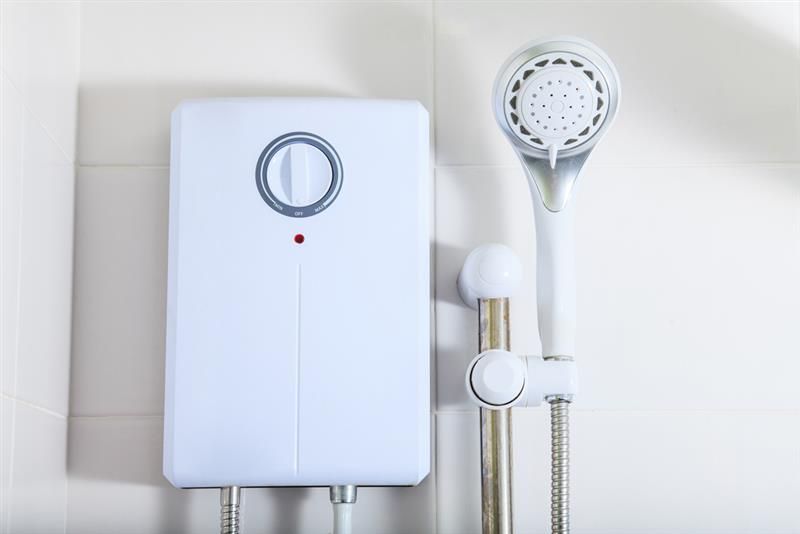
Why Sediment Removal and Component Replacement Work for Aging Units
Sediment enters the tank with every gallon of municipal water, settles at the bottom over months and years, and hardens into a layer that blocks heat transfer from the element to the water, which forces the element to run longer and hotter until it eventually fails. Draining the tank removes this layer, and replacing a failed element, thermostat, or valve restores the unit to its original heating capacity and safety standard.
After maintenance is complete, recovery time will shorten noticeably, the tank will heat quietly without popping or rumbling, and the pressure relief valve will open and close correctly under test pressure. After a component repair, hot water output will return to the original capacity, the thermostat will cycle the element on and off at the correct temperature, and connections will remain dry without drips or seepage during operation.
Maintenance and repair cover draining sediment, testing safety devices, and replacing failed components, but they do not include tank replacement, venting modifications, or plumbing upgrades required to install a larger or different type of unit. Those needs are identified during the inspection and discussed separately if replacement is the better option.
Questions Before Starting Your Project
Property owners in the Bay Area often ask about the maintenance process and what signs indicate that a repair is needed rather than full replacement.
How is sediment removed from the water heater tank?
The cold water supply is shut off, a hose is connected to the drain valve at the bottom of the tank, and water is drained into a floor drain or outside until it runs clear without grit or discoloration, which typically requires flushing several gallons depending on how long the unit has gone without maintenance.
What does a failing pressure relief valve look like during an inspection?
A failing valve will drip continuously from the discharge pipe, fail to release water when the test lever is lifted, or show corrosion and mineral buildup around the valve body and threads, all of which indicate that the valve will not protect the tank from overpressure.
How do you know whether a heating element or thermostat has failed?
The element is tested with a multimeter for continuity, and the thermostat is checked for accurate temperature response, with a failed element showing no continuity and a failed thermostat either not cycling at all or cycling at the wrong temperature.
Why do water heaters in homes built during the 1970s and 1980s often need maintenance even when they still produce hot water?
Units that old have accumulated years of sediment and have components that have been cycled thousands of times, so even when the tank still heats, efficiency drops and minor failures appear in valves, elements, and thermostats that were never maintained during the unit's service life.
What should you notice after sediment is drained and a failed component is replaced?
Hot water will last longer per shower or load of laundry, the tank will reach temperature faster and hold it more consistently, and the unit will operate quietly without the knocking or rumbling caused by steam bubbles forming under the sediment layer.
Chavez Home Services also performs water heater maintenance and repairs in League City, Dickinson, Hitchcock, Santa Fe, and Galveston. The owner completes every inspection and repair personally, so the process and quality remain consistent across all service locations.